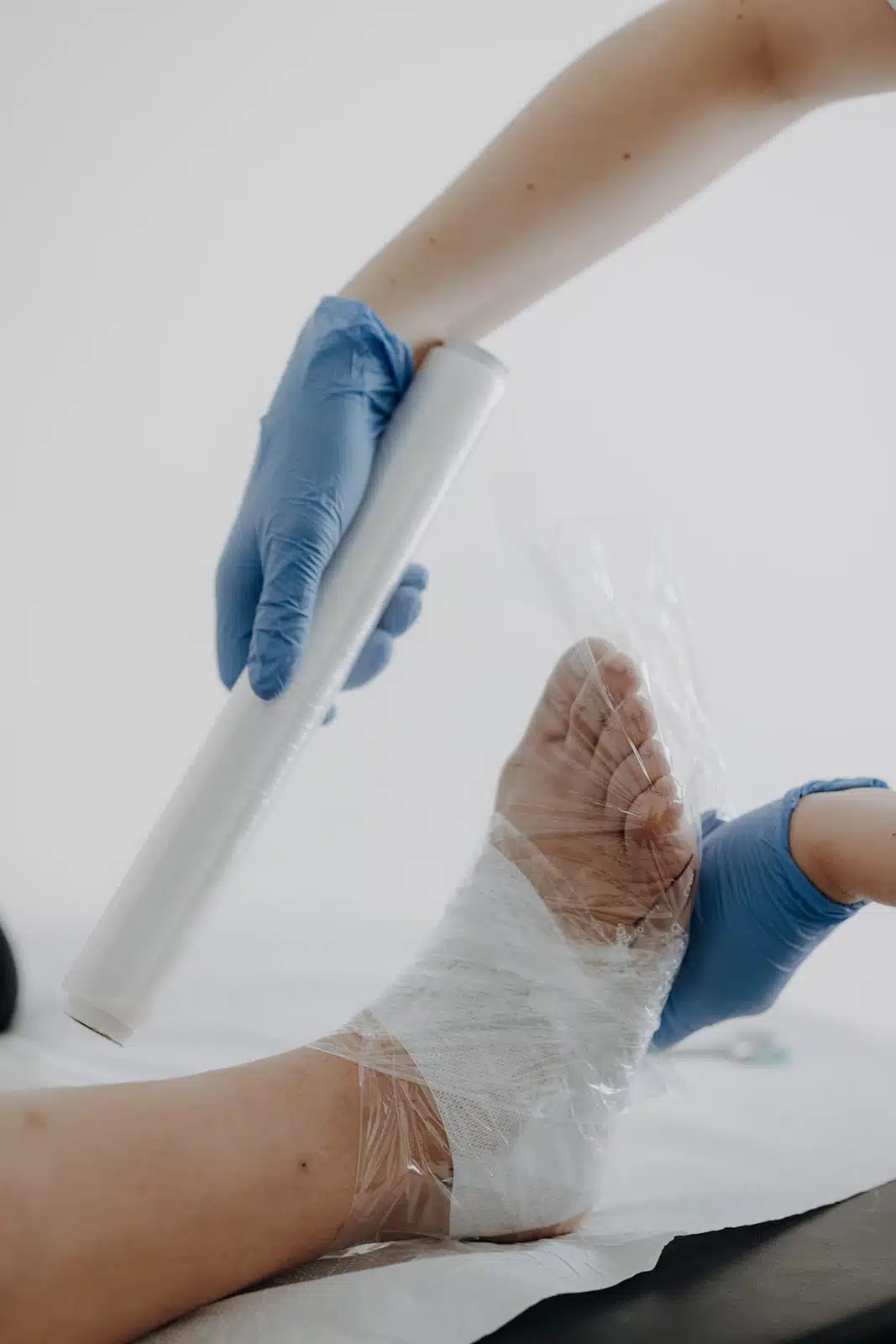
The cause is usually a traumatic injury, with or without nerve damage. Symptoms typically develop within weeks of an injury. Injuries associated with CRPS include fractures, cuts, surgical procedures, burns or even a simple sprain.
Typically, the pain is unusually severe and lasts longer than generally expected. Usually, only one limb is affected, such as a hand or an arm. Very rarely, CRPS symptoms spread to other parts of the body.
The mechanism by which CRPS develops is unknown. Given the complex nature of its symptoms, this pain condition is unlikely to have a single simple cause.
The main symptom of CRPS is pain. A combination of burning, stabbing and tingling pain is often described.
The skin of the affected limb can be extremely sensitive. Light touch that would not normally be painful, or changes in ambient temperature, can trigger intense pain. Positive neuropathic symptoms, such as hyperalgesia and allodynia, occur. Sudden swelling, changes in skin colour and temperature changes may also develop. There may be functional limitations of the limb, such as stiff joints or restricted movement. The skin itself may appear warm, red and dry, but later can equally become cold, bluish and sweaty. Altered hair and nail growth is particularly noticeable.
Unusual sensations, such as a feeling of bodily estrangement, may also occur. Compared with the healthy limb, the affected limb may feel smaller or larger.
Diagnosing CRPS is difficult. There is neither a test nor an imaging procedure that provides an unequivocal diagnosis. CRPS is usually diagnosed by excluding other diseases with similar symptoms. In clinical practice, the Budapest criteria of the IASP (International Association for the Study of Pain), developed in Budapest in 2003, are used.
It is important to begin treating CRPS as early and intensively as possible to help prevent chronicity and support recovery.
CRPS treatment always combines different therapeutic measures. Its aim is not only to reduce pain but, in particular, to improve or preserve function in the affected limb.
The treatment plan must be tailored to the individual patient. Non-pharmacological, pharmacological and, where appropriate, interventional measures are generally combined. Treatment measures include:
Although the condition greatly restricts quality of life and can be disabling, symptoms and pain fortunately decrease substantially within two years in around 85% of patients with CRPS.