Current Overview

Spinal Cord Stimulation (SCS) in Interventional Pain Medicine

Spinal cord stimulation (SCS) is an established, minimally invasive and reversible neuromodulation procedure. Its primary therapeutic aim is to modulate chronic neuropathic pain signals at spinal level (in the dorsal columns) through targeted electrical impulses, thereby positively influencing central pain processing.
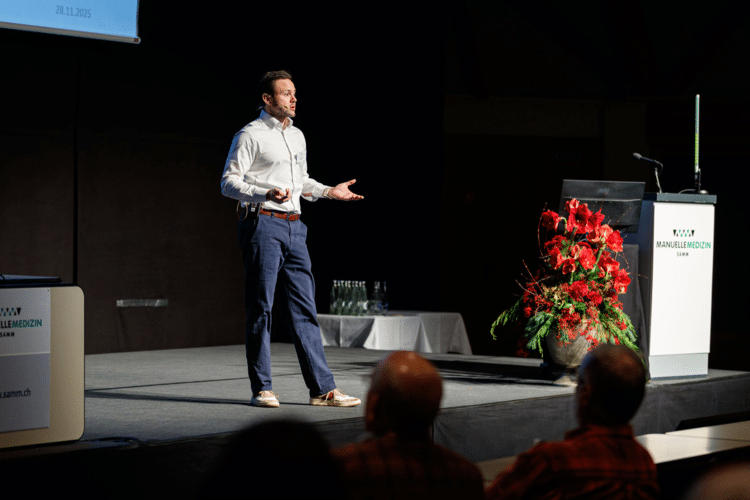
Der traditionelle SAMM-Kongress findet jeweils Ende November im Congress Kursaal Interlaken statt.
1. Stimulation methods and mechanism of action

Modern SCS systems use different stimulation paradigms to modulate pain:

  • Conventional (tonic) low-frequency stimulation produces programmed, low-frequency impulses that consciously cover the painful area with gentle tingling sensations.
  • Higher-frequency and burst stimulation operate without paraesthesia. Pain signals are inhibited below the perception threshold, without tingling, through modified frequency patterns, such as high-frequency stimulation at up to 10 kHz, burst patterns and DTM.
2. Indications

SCS therapy may be considered for patients with refractory chronic pain syndromes when guideline-based conservative, pharmacological and primary surgical options have been exhausted.

Main indications:

  • Persistent spinal pain syndrome type 2 (PSPS type 2, formerly failed back surgery syndrome / FBSS): refractory pain after spinal surgery
  • Complex regional pain syndrome (CRPS types I and II)
  • Peripheral and central neuropathic pain, for example after nerve lesions or in radiculopathy
  • Ischaemic pain syndromes associated with peripheral arterial disease (PAD) or refractory angina pectoris
3. Selection criteria and interdisciplinary assessment

Careful patient selection is crucial to treatment success. All potential candidates should undergo an interdisciplinary evaluation involving pain medicine, neurosurgery, neurology and psychosomatic medicine/psychiatry. Final decisions on the indication and patient evaluation follow a standardised process.

4. Clinical course: a two-stage procedure with a trial and implantation

A major clinical advantage of SCS is its complete reversibility, which is ensured by a sequential, two-stage approach.

Stage 1: the percutaneous trial (SCS trial)

  • Procedure: Under sterile conditions, local anaesthesia and fluoroscopic guidance, temporary stimulation electrodes are introduced into the epidural space. Intraoperative test stimulation verifies anatomical coverage of the painful area. The electrodes are then passed through the skin and connected to an external pulse generator (IPG).
  • Hospitalisation and course: After usually one overnight stay for postoperative observation, patients are discharged for the outpatient trial. In some cases, the procedure is performed entirely on an outpatient basis.
  • Duration and monitoring: The SCS trial lasts 1 to a maximum of 4 weeks. Regular outpatient reviews provide wound care, dressing changes and fine-tuning of stimulation parameters.
  • Evaluation criterion: A clinically positive response, qualifying the patient for stage 2, consists of significant pain reduction (usually greater than or equal to 50%), together with a demonstrable improvement in everyday functional mobility and quality of life. In non-responders, the electrodes are straightforwardly removed under local anaesthesia.

Stage 2: permanent implantation

If the trial confirms treatment success, the permanent system is implanted in a second, short operation. The permanent electrodes are connected to the neurostimulator itself, an implantable pulse generator including a battery, which is placed beneath the skin, usually in the gluteal or abdominal region, in a surgically prepared tissue pocket.

5. Complication management and risk profile

Although the procedure has a favourable risk profile compared with destructive spinal interventions, specific perioperative and postoperative complications must be considered in the differential diagnosis:

  • Mechanical complications: electrode migration/dislocation, the most common reason for early revision; electrode or cable fracture; connection problems between the electrode and IPG.
  • Biological complications: infection of the incision or pocket and, rarely later in the course, epidural abscesses or meningitis; epidural haematoma/bleeding, with the risk of neurological deficits up to paraplegic symptoms requiring immediate neurosurgical decompression.
  • System-specific problems: local pain around the IPG pocket, premature battery depletion or technical system failure, and gradual secondary loss of effect (tachyphylaxis/habituation).
Author
Dr. med. Jan Ludwigs
Institut für Interventionelle Schmerzmedizin SZ AG - ISSZ

More Articles

Der traditionelle SAMM-Kongress findet jeweils Ende November im Congress Kursaal Interlaken statt.
Spinal Cord Stimulation (SCS) in Interventional Pain Medicine

Learn more

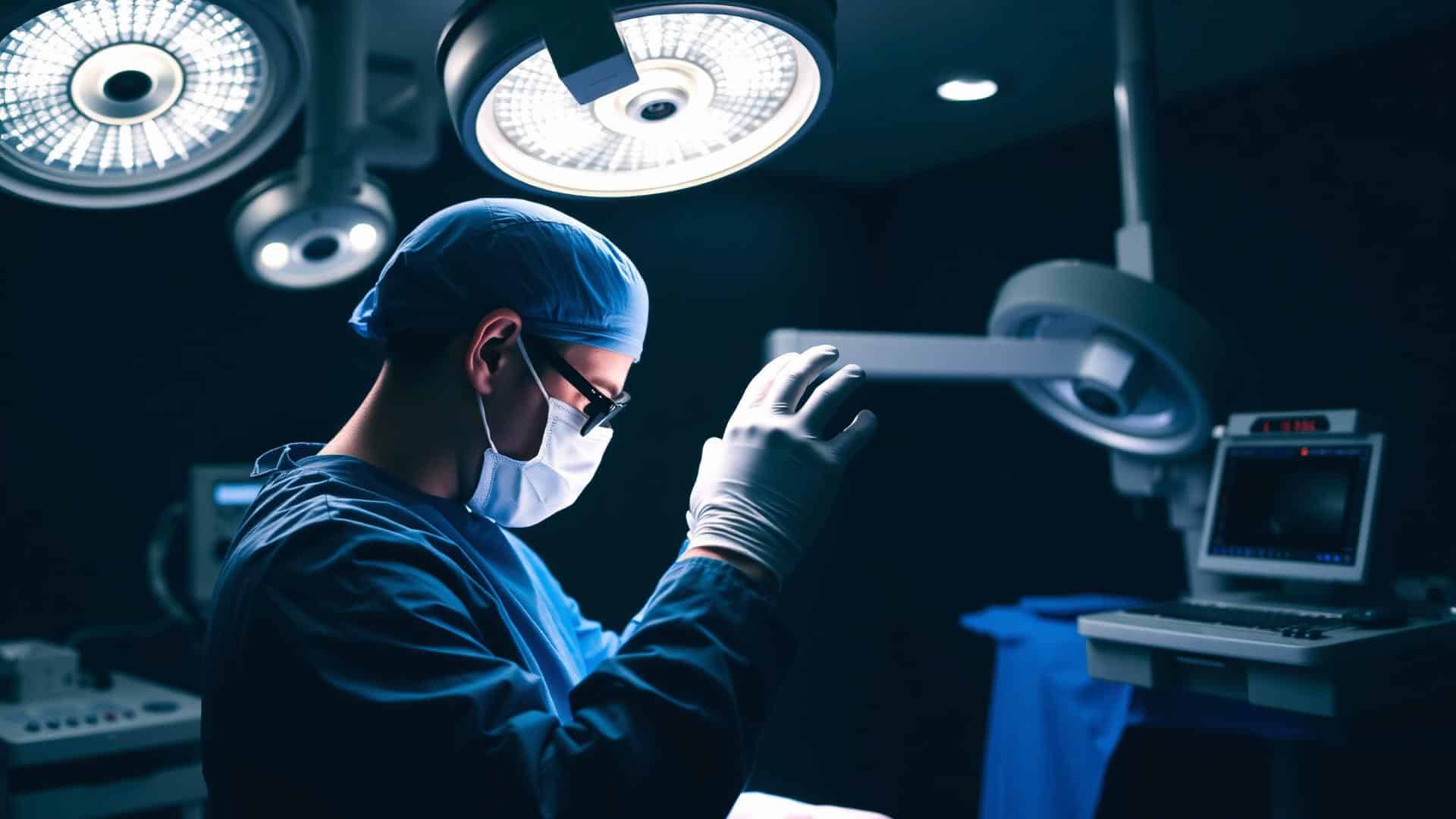
Arzt in Operationskleidung bei der Vorbereitung auf einen medizinischen Eingriff im Operationssaal
Neck pain

Learn more

Back to Overview